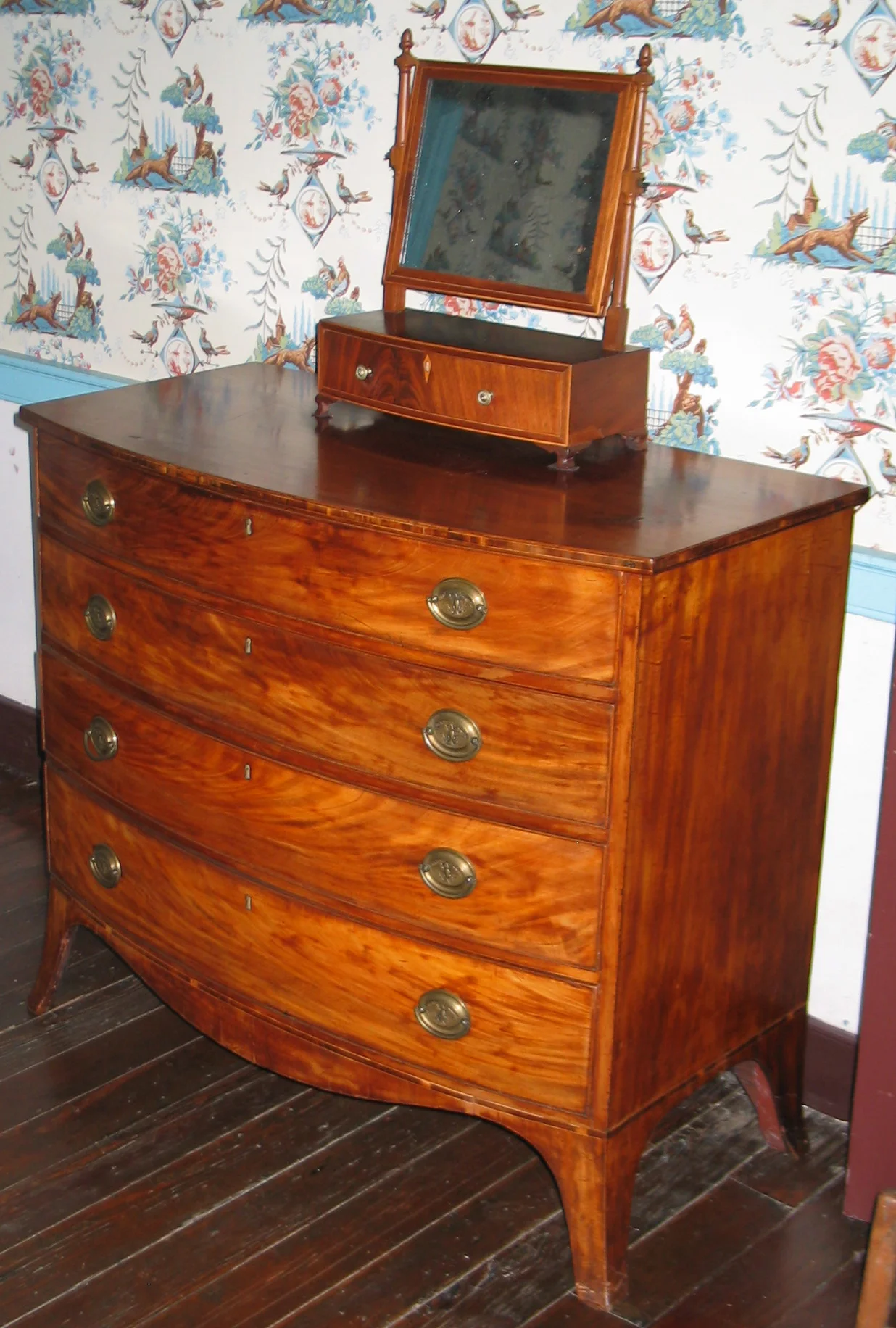
Wooden furniture needs special care to remain in good condition. With many treatments and products available it is hard to know what is best for your antiques. By following simple steps recommended by experts, you can keep your furniture in great condition while extending its longevity.
Basic maintenance of antique wooden furniture includes regular dusting with a soft brush. Try to avoid wet cleaning your antique, especially if the wood is unfinished. If you must wet clean, use a mild detergent diluted in distilled water and gently dab the furniture. Pat the cleaned areas dry with distilled water. Finish by applying a coat of wax then buff after it has hardened.
Many people like to oil the wood or “feed” it as commercials suggest. But this could actually be doing more harm than good for an antique, depending on the original finish. Drying oils, like tung or linseed can soak into open grain where it begins to oxidize and turn black after years of build-up. Non-drying oil, like mineral oil, leaves a lubricated coat on the furniture which can take days to dry. All the while it attracts dust and pollen which sticks and accumulates on the surface. Two ingredients to avoid treating your furniture with are silicone and tung oil, both of which age poorly and can darken wood with irreversible damage.
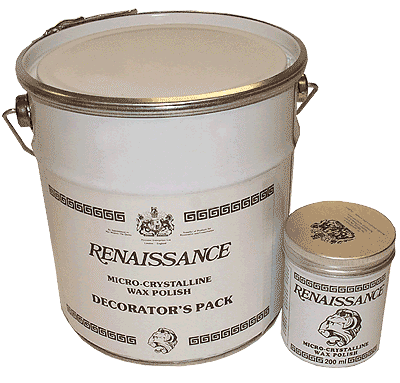
Most pieces of furniture have a finish on the surface but some could be bare. Usually a finish is applied over the stain to protect the wood, although sometimes several layers of paint can form a finish on its own. The original finish of your furniture should be kept intact and maintained to preserve the integrity of the piece. Variations in finish could include varnish made from tree resin, shellac from the lac beetle, and wax from bees. Waxing is a great way to preserve an antique and is removable if build-up occurs. Solid waxes like butchers or bees wax will protect the furniture from the environment and handling. Wax will also give the furniture a higher sheen. Avoid aerosol’s that contain silicone which can cause damage over time. If the piece is in daily use in your home, it may be a good idea to wax it every year. Items that are rarely used can go for longer without applying a new coat. If you are able to buff the current coat to a sheen, it is not necessary to wax again.
Wooden furniture should be kept away from bright sunlight which will accelerate the aging process causing finishes to become cracked or brittle. High humidity should also be avoided. Fluctuating temperatures can cause wood to swell, shrink, or absorb water. Keep furniture away from windows and vents to ensure your antique does not suffer from structural damage like cracks or gaps. If these problems do occur, it is best to use a hot glue gun rather than commercial adhesives to make repairs. Nails should only be used where they were originally and adding them can limit the movement that naturally occurs with wood in your home.
By Emily Kubota
Lynchburg Museum Staff

