LYH Welcomes You!
 Lynchburg is a place with a rich and fascinating Black history spread over three centuries. The city’s name comes from its founder John Lynch, a Quaker abolitionist and businessman who established a ferry across the James River in 1757. Before Emancipation in 1865 thousands of enslaved laborers brought great wealth and fame to Lynchburg through its tobacco manufacturing industry. The city was also home to a significant free Black community before the Civil War, many of whom were highly skilled tradespeople. Half of the city’s population was African American until 1900, when the Great Migration and shifting tobacco industry caused many to leave Central Virginia.
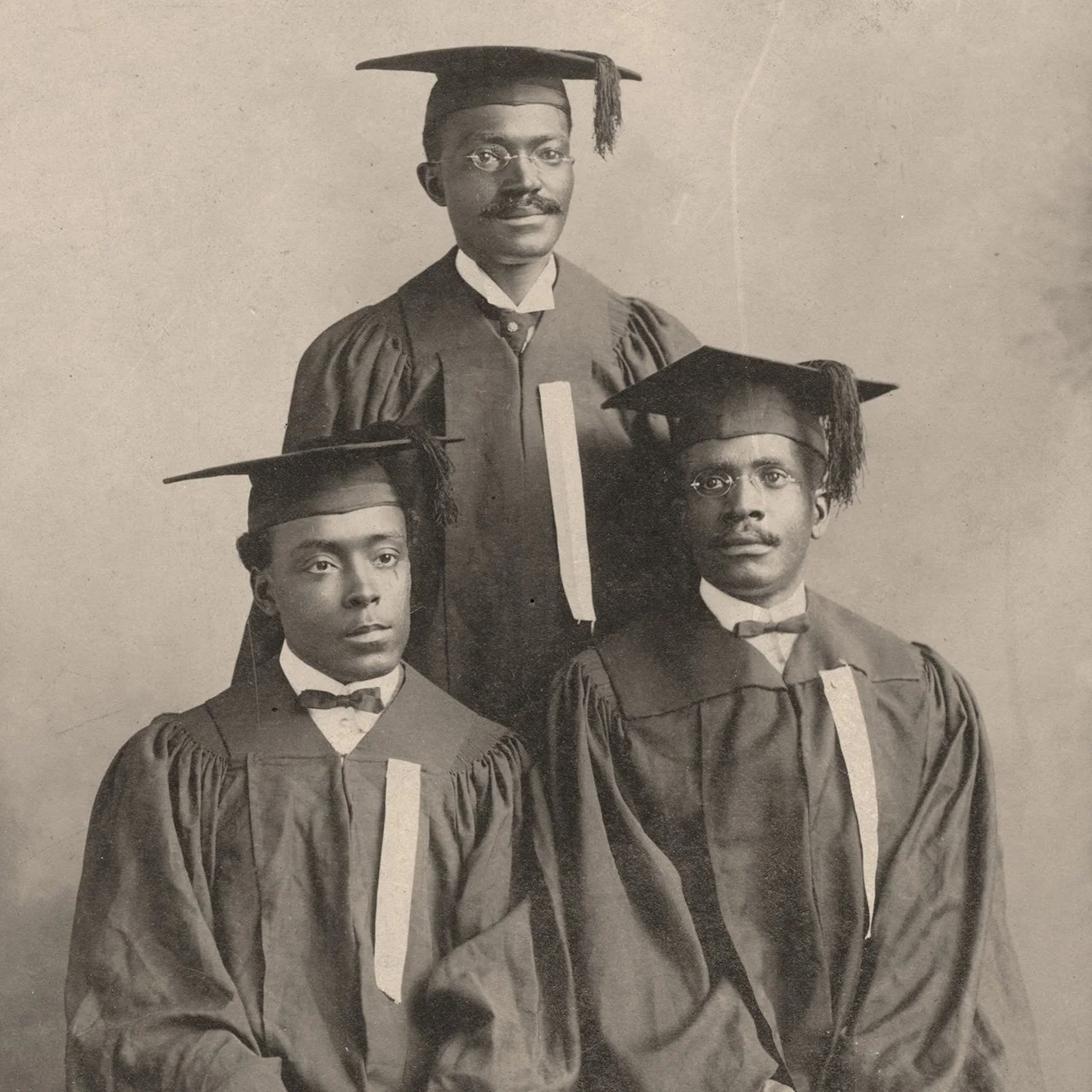 Between 1880 and 1920 the Hill City was the largest hub of African American life and culture in Virginia west of Richmond. Local Black leaders used the strength of their community to elect two men to City Council in 1885, bargain for better wages through organized labor, open a public high school, bring two colleges to Lynchburg, establish the statewide Virginia Teachers Association, and build a 2,500-person-capacity church.
Like most small cities in the south, Lynchburg resisted social change and racial integration in the 1950’s and 60’s. Change came slowly to the Hill City—and only because of courage and determination of local leaders, citizens, and college students. The Civil Rights Movement in Lynchburg unofficially ended in 1970, when the city’s last segregated high school classes graduated and C. W. Seay became the first man of color elected to City Council since the 1880’s.
Interest in documenting and preserving local Black history has never been stronger, and you’ll find related landmarks, historic sites, and monuments throughout the city.
Cover Image: “Lord, Plant My Feet on Higher Ground” by Ann van de Graaf, 1993
Courtesy of the Legacy Museum of African American History
Sites

Thornhill was the first African American mayor of the Hill City (1990–1992) and the first council member elected from Lynchburg’s historically Black Ward II (1976). On August 19, 2023, a life-sized bronze statue of Thornhill was unveiled and dedicated in the center of the Fifth Street roundabout in Lynchburg. The statue honors Thornhill’s pioneering public service in the Hill City, as well as his lifelong association with historic Fifth Street.

Bronze statue of pioneering Black American aviator and Civil Rights activist Chauncey Spencer, Sr. Spencer was a charter member of the National Airmen’s Association of America, which was instrumental in the integration of the U.S. Army Air Corps and creation of the Tuskegee Airmen program.

Site of last all-Black high school in Lynchburg before Integration. Named for poet Paul Laurence Dunbar, the high school opened in 1923 and graduated its final class in 1970. Demolished in 1979.

Final resting place for most of Lynchburg’s Black community before 1925, including many free and enslaved people of color before 1865. Notable burials include Rev. Phillip Morris, Amelia Pride, Blind Billy, Frank Trigg, Samuel F. Kelso, and Virginia Randolph.

Retreat home and plantation of President Thomas Jefferson, built in the early 1800’s by enslaved and free craftsmen. The historic site features a rare 19th-century brick triplex slave dwelling original to the property.

Oldest institution of higher education in Central Virginia, founded as Lynchburg Baptist Seminary in 1886. The school was affiliated with the Virginia Baptist State Convention, the largest organization of Black Baptists in the state. Its philosophy of self-help and racial pride attracted students from around the world.

Site of the first sit-in protest in Lynchburg during the Civil Rights Movement, on December 14, 1960. The building was demolished in 1989.

Former 740-acre plantation and home to a large enslaved community from 1775 to 1865. Mary Brice, an enslaved laborer at Point of Honor in the 1850’s, is featured in a mural nearby on Norwood Street.

Home and sanctuary of published Harlem Renaissance poet, librarian, and social activist Anne Spencer and her family. Guests of the Spencers included W.E.B. DuBois, Marian Anderson, and Martin Luther King, Jr.
Learn More


Start your visit at the
Lynchburg Museum & Visitor Services
901 Court Street, Lynchburg, VA 24504
LynchburgMuseum.org | LynchburgVirginia.org
(800) 732–5821

